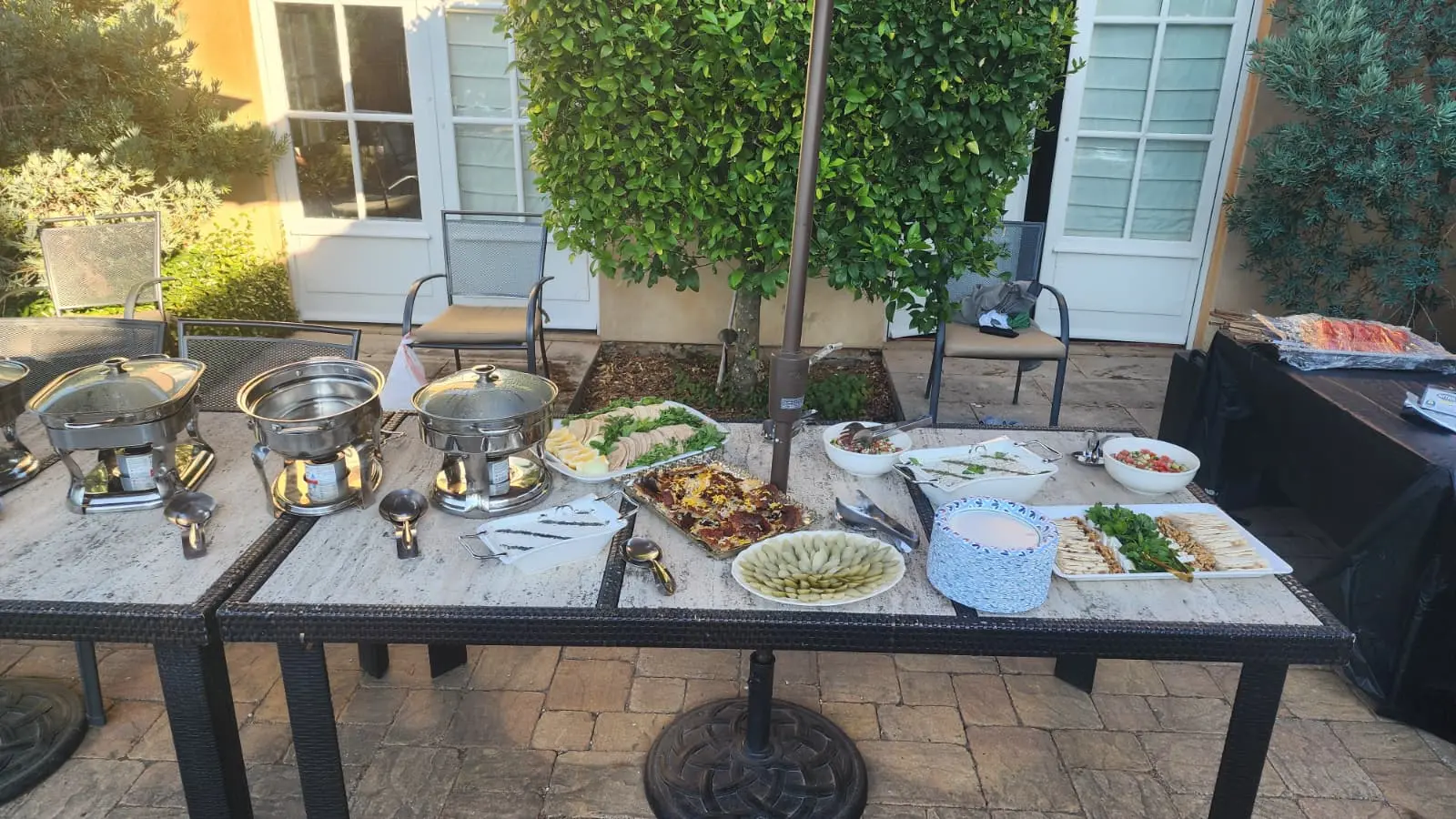
The first thing I notice at a Persian catered table is not one dish. It is the arrangement. Rice, kabobs, stews, herbs, yogurt and bread are ready to be combined, and the room already smells of saffron and grilled onions.
The deeper history of food, seasons and proportion belongs in a different kind of article. I have written that separately in Eating by Season in Avicenna’s World. Here, I want to stay with the event in front of me and the people making it work.
Nothing on the table feels accidental. Saffron rice comes with grilled meat and tomato. Yogurt cools the kabob. Barberries cut through the richness of chicken and buttered basmati. Fesenjoon brings walnuts and pomegranate together—earthy, tart and slightly sweet. Ghormeh Sabzi has herbs, beans and dried lime, a combination that takes time before it begins to make sense.
This is Persian cuisine as a way of living. Different plates stay on the table. People pass rice, stews, herbs, bread and yogurt back and forth. Dinner is allowed to take a while.
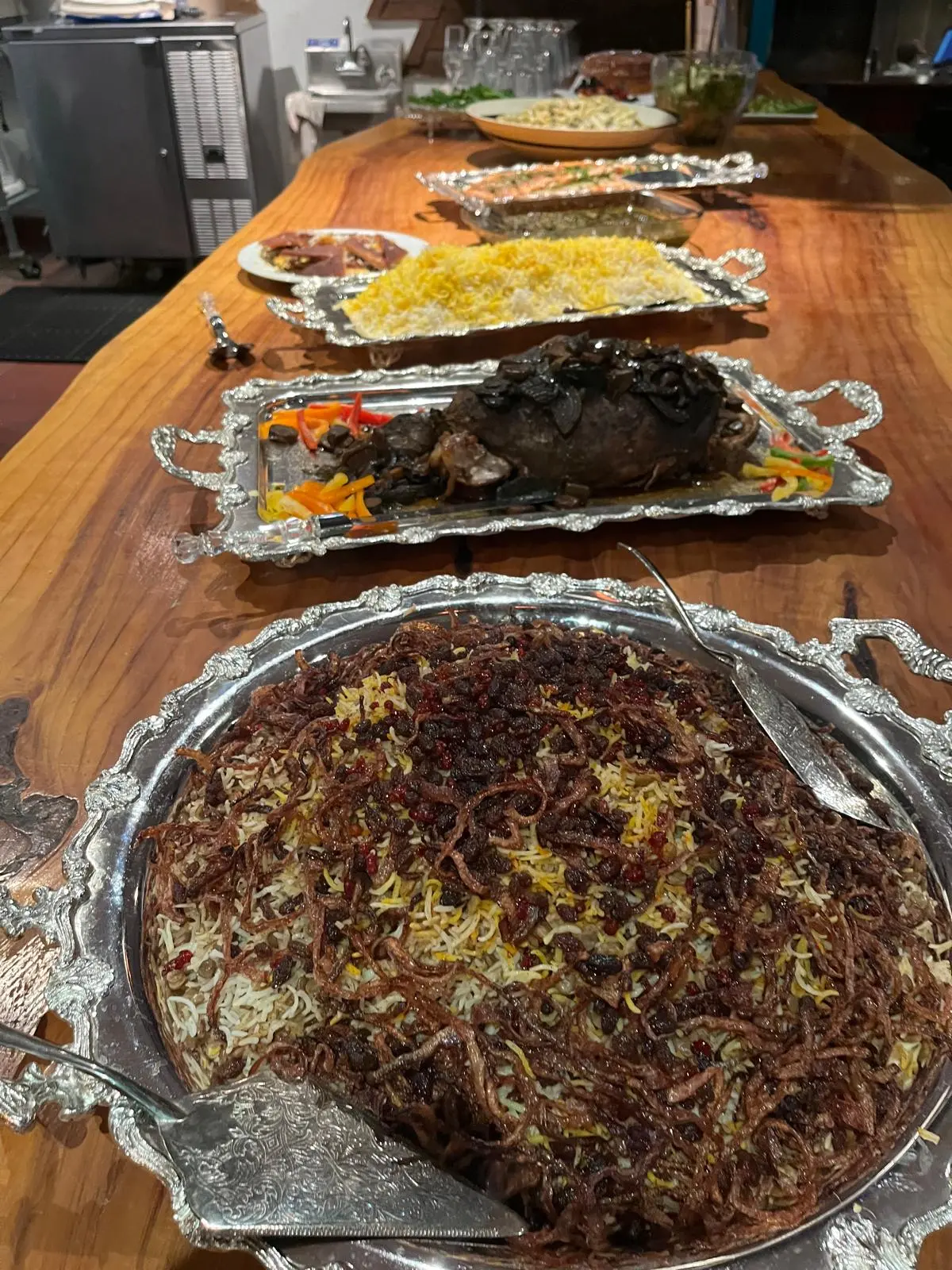
The table in Novato
Saffron Grill & Market in Novato cooks in this tradition. The menu includes Koobideh, Joojeh Kabob, Zereshk Polo Ba Morgh, lamb shank, Fesenjoon and Ghormeh Sabzi. Saffron appears throughout, sometimes obvious, sometimes only as a fragrance or a few golden grains of rice.
A small amount changes
the whole table.
The table works through proportion. Rich food has herbs and yogurt beside it. Sweetness meets acidity. A large gathering needs rhythm, so guests are served without the host spending the entire evening solving problems.
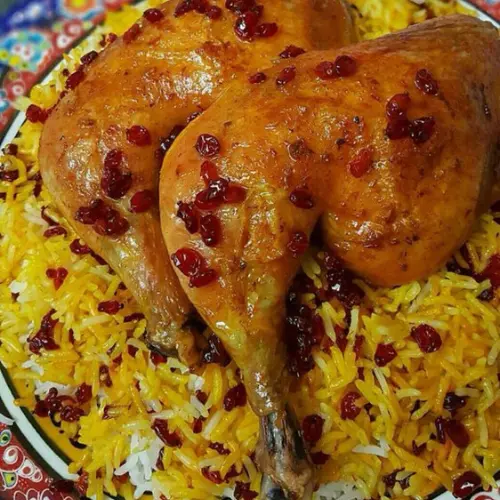
When fire enters the room
At a catered table, the grill changes the room before the first plate is filled. Onion hits heat. Saffron rises with the steam from the rice. People turn toward the smell and begin gathering without being called.
I watched skewers leave the fire while the colder parts of the meal waited nearby: yogurt, herbs, salad and pickles. The meal was being balanced in real time. Heat did not arrive alone.
The practical details of packages, staffing and service belong in the separate Saffron catering guide. What stayed with me here was the rhythm of the table.
Hospitality has its own timing
A generous table can still feel chaotic if every dish arrives at once and nobody knows where to begin. This one had pauses. Rice first. Kabob while it was hot. Stew close enough to spoon over the grains. Herbs and yogurt always within reach.
Avicenna wrote about proportion on a much larger scale. I am not turning dinner into medicine. I am borrowing the useful part of the thought: pay attention to what sits beside what.
Richness needs interruption. Fire needs something cool. Saffron needs restraint. Hospitality needs enough order that nobody spends the evening managing it.
That is the intelligence of the Persian table.