I'm not a doctor. I'm someone who lost 30 pounds. It started with a 48-hour fast, and after that I moved to intermittent fasting and kept going. Nothing here is a prescription — it's what worked for me, checked against what the research actually says.
The point isn't the hunger
Most fasting articles sell the fast. This one is about the meal after it.
A 48-hour fast is a short, deliberate pause. You stop eating on, say, Friday evening and eat again on Sunday evening. Water, black coffee or plain tea are fine. What you get out of it is not a cleansed body — your liver and kidneys clean you every day, fed or not — but two things that are harder to buy: a clear look at your own appetite, and a reset point for how you eat next.
So let's be honest about what happens in those 48 hours, and then talk about Sunday dinner.
What the research actually shows
Your body switches fuel. For the first day you run largely on stored glycogen. As it runs low, the liver turns fat into ketone bodies, and blood levels climb through day two. In one study of healthy adults, serum beta-hydroxybutyrate rose roughly six- to eight-fold after 36 hours. A brain-imaging study found ketones measurably rising inside the brain by the end of day two. Your brain is not starving; it is changing fuel.
Growth hormone goes up — a lot. In a Mayo Clinic study, nine healthy men produced about five times more growth hormone on the second day of a fast than on a fed day, with more frequent and larger pulses. GH helps protect muscle and mobilize fat while food is absent.
You don't slow down — you speed up, briefly. It is a common fear that fasting crashes your metabolism. Over a short fast it is the opposite: in healthy, lean volunteers, resting energy expenditure rose over the first days, driven by noradrenaline, which roughly doubled by day four. That alert, slightly wired feeling many people report on day two has a hormonal basis.
Blood sugar settles lower. In the same study, fasting glucose fell from about 4.9 to 3.5 mmol/L while staying in a safe range for healthy people.
That's the real "activation": a nervous system and hormone profile shifted into a more alert, fat-burning mode. It is a well-documented, ancient survival response — not a hack.
What the research doesn't show (yet)
I'd rather lose a little excitement than mislead you.
- "More neural connections." In mice, fasting reliably raises BDNF, a protein that supports neuron growth. In humans, results split: a 2024 systematic review counted five studies where BDNF rose, five where it fell and six with no change. No study shows a 48-hour fast builds new brain connections in people.
- Sharper thinking during the fast. Reviews of single fasts in healthy volunteers mostly find either no change or small dips in speed and executive tasks. Don't plan your hardest work for hour 40.
- Autophagy, the "cell clean-up." Strong in animals and cells. In humans, researchers still say there is no definitive evidence of whether, when or in which tissues fasting increases it.
- "Detox." There is no toxin that fasting flushes out and food keeps in.
If someone promises you more, ask for the human study.
Then: eat less often, but eat well
Here is where the fast earns its keep. After 48 hours, food tastes louder. You notice which hunger was real and which was the clock, the screen or habit. Use that.
The goal afterward isn't to fast forever. For me, the 48 hours were the start, and intermittent fasting was what kept the 30 pounds off. The rule is simple: eat less often, but when you eat, eat properly. Fewer snacks, fewer "just because" bites — and real meals built from vegetables, legumes, fish, good bread, olive oil and well-cooked protein.
A taste for life, closer to the grill
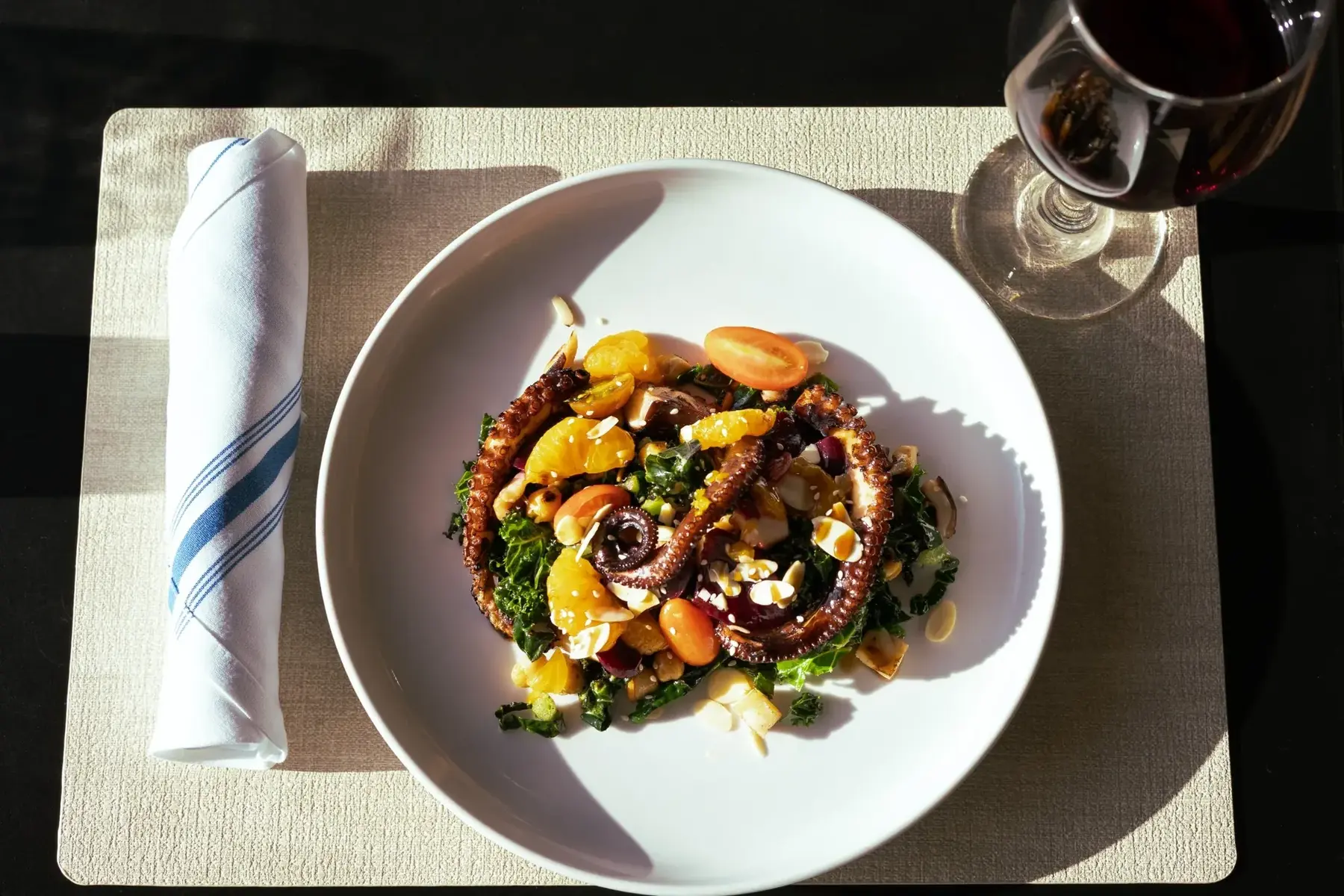
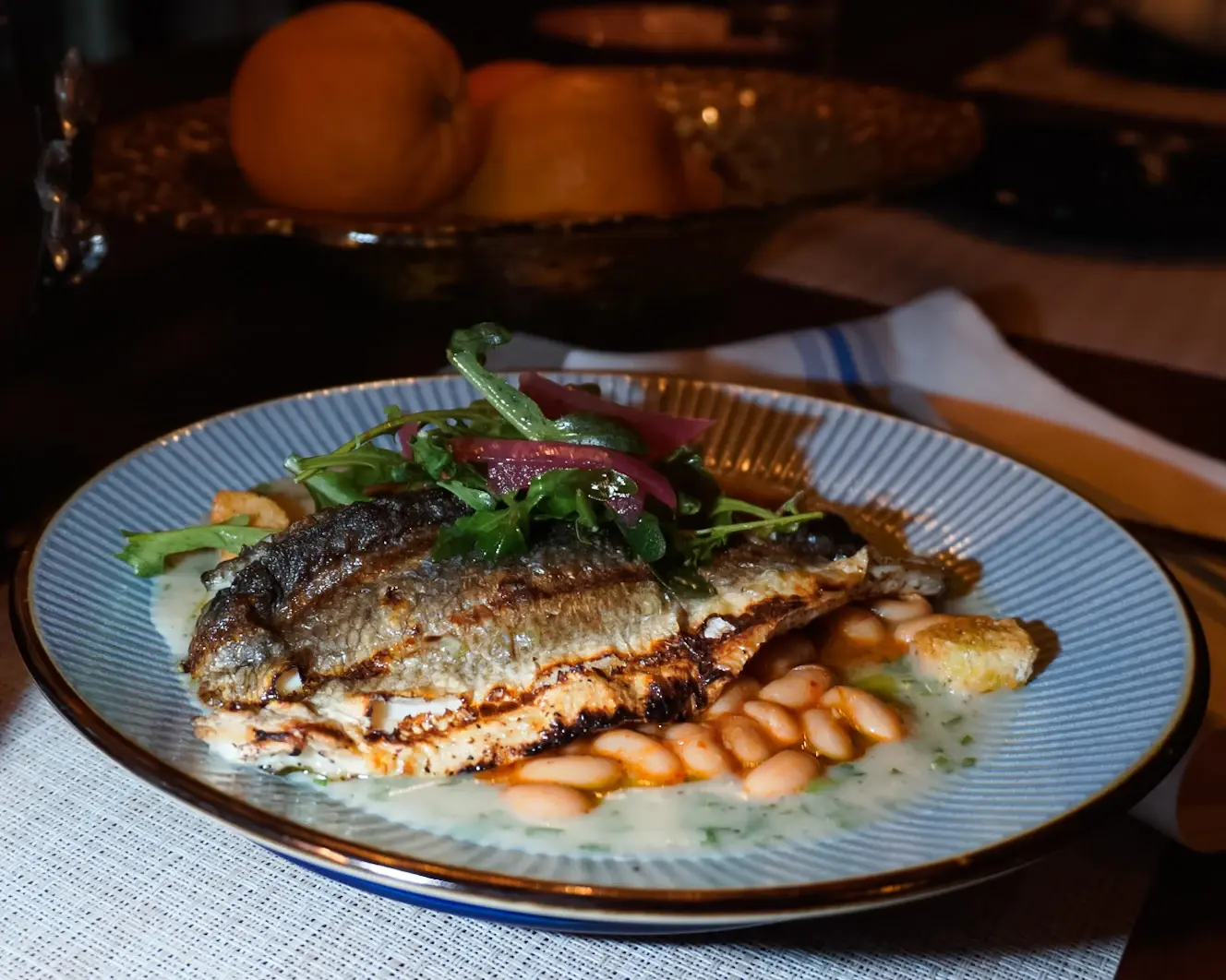
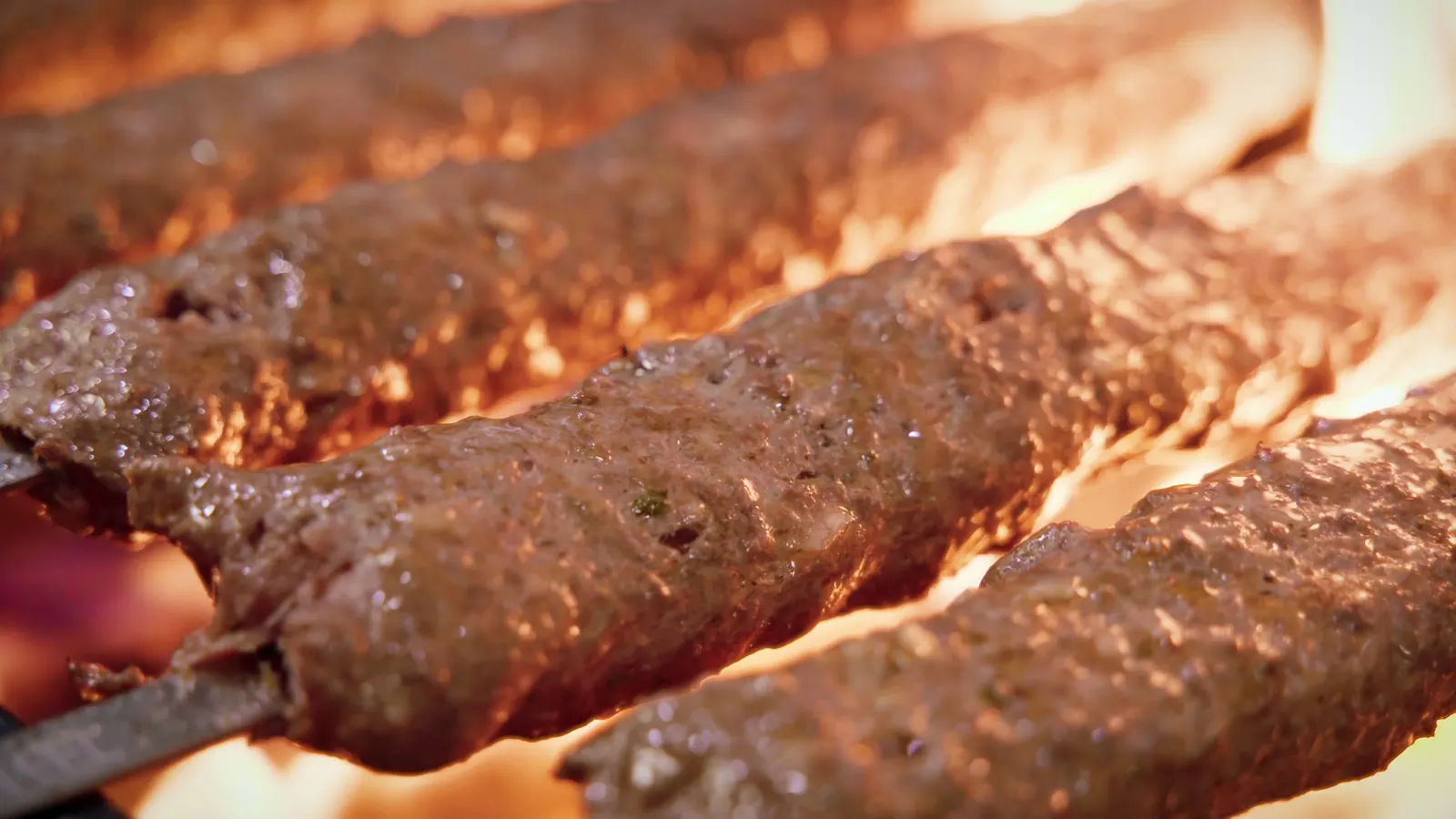
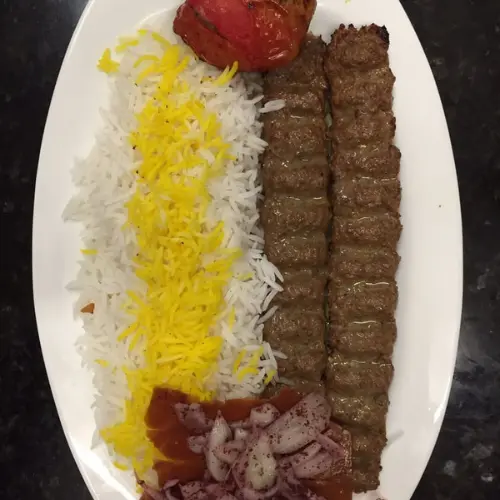
After the fast, food stops being background. Bring that taste for life to the table — it lives closer to the grill.
Those meals have to be delicious. A healthy diet you hate lasts two weeks. One you look forward to lasts years.
The grill is the oldest way to make simple food taste like a reward with almost nothing added. Heat and smoke do the work that butter and sauce do elsewhere. Done right, it is also a clean way to cook:
- Vegetables first. Peppers, eggplant, zucchini, onions, tomatoes. Grilled vegetables don't form the meat-related compounds below, and char makes them sweet.
- Fish and lean meat, marinated. High-heat cooking of muscle meat forms heterocyclic amines (HCAs) and, when fat drips into flame, PAHs. The U.S. National Cancer Institute says human studies have not established a definitive link to cancer, but recommends reducing exposure. Marinades help: in a Kansas State study, herb-and-spice marinades cut HCAs in grilled steak by 57–88%.
- Turn often, skip the black bits. Frequent flipping and trimming charred edges both lower HCA levels, per NCI.
The first meal after
Break the fast gently. Start with something small — soup, yogurt, a few vegetables — then wait half an hour. Your evening plate can look like this: grilled vegetables, a piece of fish or chicken from the grill, a dip of hummus or tzatziki, bread, olive oil, lemon. Then stop when you're satisfied, not full. After two days, that comes sooner than you'd think.
The takeaway
Forty-eight hours without food won't make you a new person. It will show you how much of your eating was habit, give your hormones a short, real jolt, and make the next meal taste better than any meal in weeks. Build on that: eat less often, eat real food, and make it taste like the grill.